
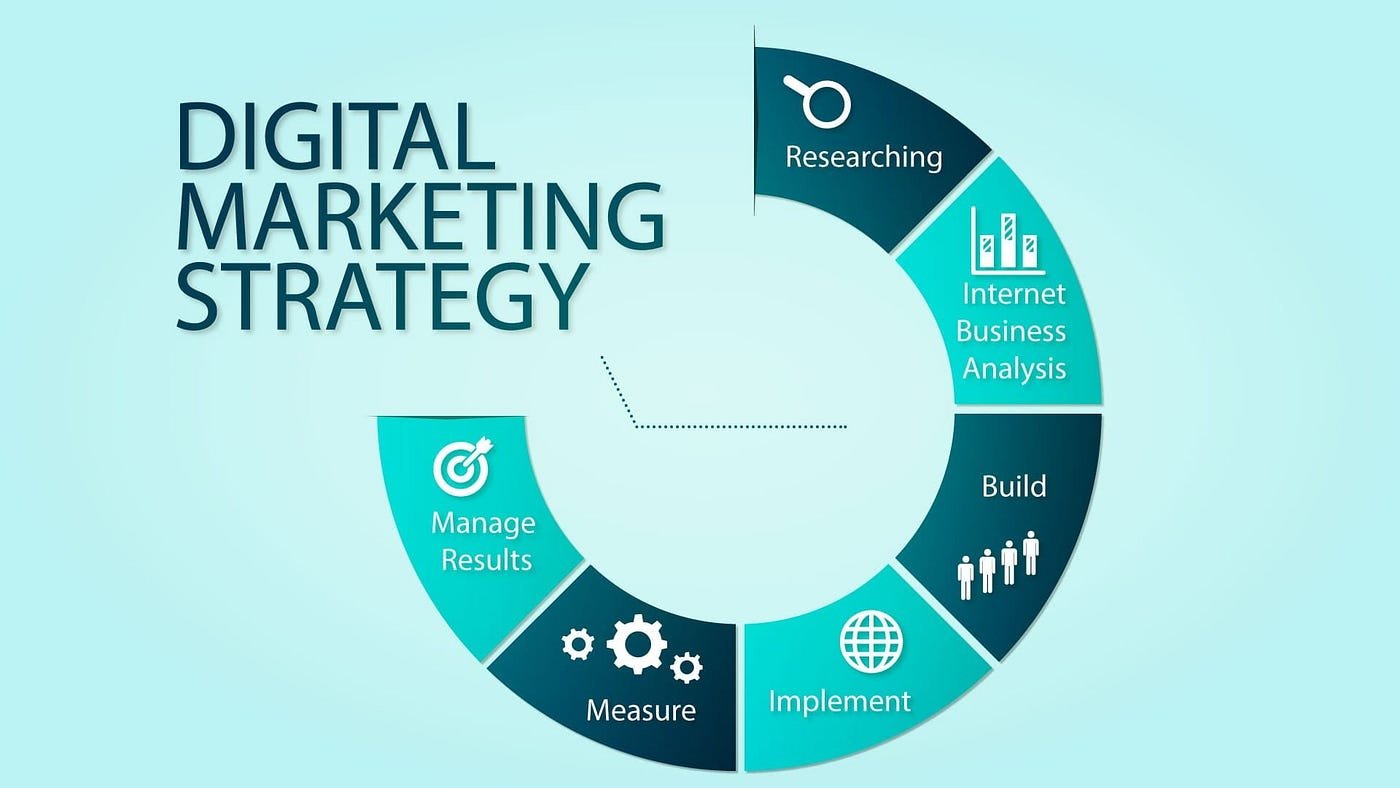
Search Engine Optimisation (SEO) plays an important role within the wider digital marketing ecosystem. While SEO focuses on improving visibility on search engines, it works best when aligned with broader initiatives such as content marketing, paid advertising, social media, and analytics. This article outlines practical ways businesses can integrate SEO into their overall digital marketing strategy in a structured and sustainable manner.
Why SEO Should Be Part of a Broader Strategy
SEO does not operate in isolation. Search visibility can be influenced by brand awareness, content relevance, user experience, and external signals from other marketing channels. Integrating SEO with wider digital activities helps ensure consistent messaging, unified goals, and clearer performance tracking across platforms.
Key Steps to Integrate SEO with a Digital Marketing Strategy
1. Align SEO With Business Objectives
SEO efforts should support specific business goals such as:
- Increasing qualified website traffic
- Improving online visibility for key service areas
- Supporting lead generation
- Enhancing brand presence across digital touchpoints
Clear objectives ensure SEO priorities match organisational direction.
2. Coordinate With Content Marketing
Content plays a central role in SEO. Integrating both ensures consistency and relevance across channels.
Examples include:
- Creating keyword-informed blog articles
- Developing long-form resources based on search intent
- Using SEO insights to guide editorial calendars
- Ensuring content supports different stages of the customer journey
SEO and content teams benefit from working together to maintain alignment.
3. Integrate SEO With Social Media Efforts
Social media can amplify content reach and encourage interactions that indirectly support SEO goals.
Integration methods include:
- Sharing keyword-targeted content on social platforms
- Using social conversations to identify trending topics
- Linking useful resources to drive traffic back to the website
- Encouraging engagement that may lead to natural backlink opportunities
While social signals do not directly control rankings, they can contribute to visibility and brand presence.
4. Use Insights From Paid Advertising (SEM)
Paid search campaigns often reveal valuable data about:
- High-converting keywords
- Audience demographics
- User behaviour trends
- Messaging that resonates with local or regional audiences
These insights help SEO teams refine their keyword strategies and content direction.
5. Incorporate SEO in UX and Web Development Plans
User experience (UX) and technical performance influence how visitors interact with a website.
Key areas to integrate:
- Page load speed
- Mobile responsiveness
- Clear navigation paths
- Structured data usage
- Proper internal linking
SEO works closely with UX and development teams to ensure the website remains user-friendly and search-friendly.
6. Align With Email and CRM Marketing
Email and CRM activities can strengthen SEO efforts when coordinated.
Examples:
- Sharing SEO-driven content through newsletters
- Using user behaviour data to plan future content
- Encouraging repeat visits to updated web pages
- Segmenting audiences for more relevant resource sharing
Consistent touchpoints reinforce long-term engagement.
7. Use Analytics Across All Channels
Measuring performance collectively provides clearer insights than analysing channels separately.
Metrics may include:
- Organic traffic trends
- Engagement rates
- Conversion paths
- Referral sources
- Behaviour flows
Combining these data points helps identify gaps and refine integrated strategies.
8. Keep Messaging and Branding Consistent Across Channels
Consistent messaging across SEO content, ads, emails, and social posts helps users recognise your brand across different platforms. This strengthens the impact of marketing efforts and supports long-term visibility.
9. Review and Optimise Regularly
SEO integration is an ongoing process. Regular reviews can involve:
- Updating content based on search intent
- Revisiting internal linking
- Refreshing resources that attract traffic
- Monitoring performance across channels
- Adjusting campaigns to reflect seasonal behaviour
Integrated optimisation helps maintain relevance and user trust.
Integrating SEO with an overall digital marketing strategy creates a cohesive user experience across channels. When SEO works together with content marketing, social media, paid advertising, UX, and analytics, the combined effort can support more consistent visibility and stronger engagement. The best approach involves setting clear objectives, sharing insights across teams, and maintaining alignment between technical, creative, and strategic activities.