
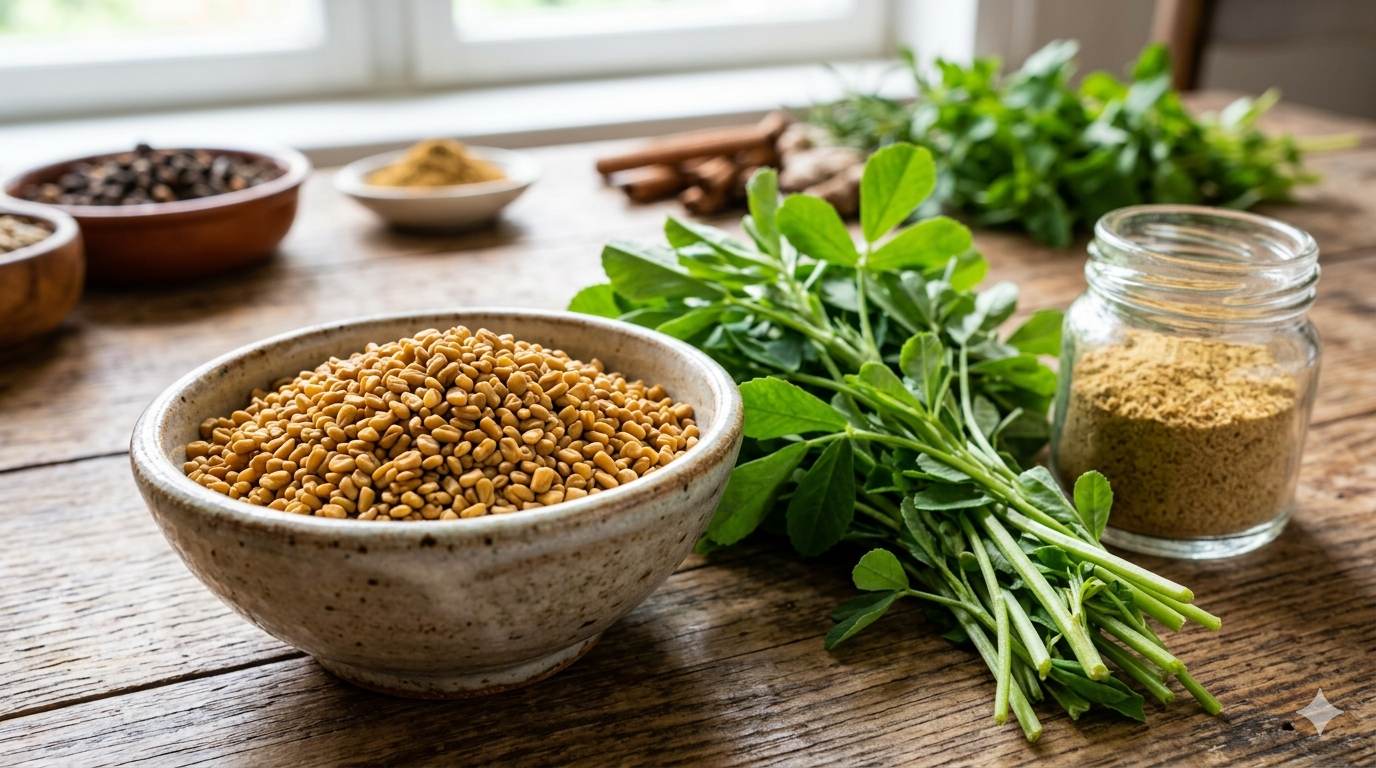
Foenegriek has been valued for centuries in traditional medicine, cooking, and natural wellness practices. Known for its slightly bitter taste and powerful aroma, this herb has become increasingly popular among people looking for natural ways to support their health. From herbal teas to skincare products and spice blends, Foenegriek continues to earn recognition for its versatility and nutritional richness.
Originally cultivated in parts of Asia, the Middle East, and the Mediterranean region, this plant is now widely used around the world. Both the seeds and leaves are appreciated for their unique flavor and therapeutic properties. Modern research has also started exploring many of the traditional claims associated with this ancient herb.
In this article, you will discover the origins, nutritional profile, health advantages, culinary applications, possible side effects, and growing global demand for Foenegriek.
What Is Foenegriek?
Fenugreek, commonly referred to as Foenegriek in Dutch, is a medicinal and culinary herb belonging to the pea family. The scientific name of the plant is Trigonella foenum-graecum. It produces small golden-brown seeds and green leaves that are both edible and highly nutritious.
The plant thrives in warm climates and has been cultivated for thousands of years. Ancient civilizations, including the Egyptians, Greeks, and Romans, used it for medicinal treatments, cooking, and even cosmetic purposes.
Today, Foenegriek is commonly available in several forms, including:
- Whole seeds
- Powdered spice
- Herbal capsules
- Tea extracts
- Fresh leaves
- Dried leaves
Its slightly sweet yet bitter flavor resembles maple syrup, making it a distinctive ingredient in many recipes and herbal preparations.
Nutritional Value of Foenegriek
One reason this herb remains popular is its impressive nutritional composition. The seeds contain a wide range of essential nutrients that contribute to overall well-being.
Rich Source of Fiber
Foenegriek seeds are packed with dietary fiber, which may support digestion and help maintain healthy bowel movements. Fiber also contributes to feelings of fullness, making it useful for people trying to manage their appetite.
High in Plant Compounds
The herb contains beneficial plant compounds such as:
- Flavonoids
- Alkaloids
- Saponins
- Polyphenols
These compounds are known for their antioxidant properties, which may help protect cells from oxidative stress.
Essential Vitamins and Minerals
Foenegriek provides several important nutrients, including:
- Iron
- Magnesium
- Manganese
- Copper
- Vitamin B6
These nutrients support energy production, immune function, and overall body maintenance.
Health Benefits of Foenegriek
Supports Digestive Health
One of the most well-known advantages of Foenegriek is its positive effect on digestion. The natural fiber found in the seeds may help reduce constipation and promote smoother digestion.
Many people also consume the herb as tea after meals to relieve bloating and stomach discomfort.
May Help Balance Blood Sugar Levels
Several studies have examined how Foenegriek may influence blood sugar management. The soluble fiber in the seeds may slow carbohydrate absorption and support stable glucose levels.
Because of this, the herb is often discussed in relation to healthy dietary routines for people monitoring blood sugar fluctuations.
Encourages Heart Health
Foenegriek contains compounds that may support cardiovascular wellness. Some research suggests the herb could help maintain healthy cholesterol levels when combined with a balanced lifestyle.
Its antioxidant content may also contribute to better circulation and overall heart function.
Traditionally Used for Milk Production
For generations, breastfeeding mothers have used Foenegriek as a natural remedy to encourage milk supply. Herbal teas and supplements containing the herb are commonly recommended in traditional wellness systems.
Although many women report positive experiences, individual results may vary.
May Support Weight Management
The high fiber content may help people feel satisfied for longer periods. This can potentially reduce unnecessary snacking and overeating.
Combined with proper nutrition and exercise, Foenegriek may support healthy weight management goals.
Beneficial for Skin and Hair
Natural beauty products often include Foenegriek extracts because of their nourishing properties. Some people use seed pastes or infused oils to support healthy-looking skin and hair.
Traditional applications include:
- Hair masks
- Face packs
- Herbal scalp treatments
Its antioxidants and nutrients may help improve overall appearance and texture.
Culinary Uses of Foenegriek
Popular in International Cuisine
Foenegriek is widely used in Indian, Middle Eastern, North African, and Mediterranean cooking. The seeds and leaves add depth and warmth to many dishes.
Common recipes include:
- Curries
- Stews
- Spice blends
- Pickles
- Flatbreads
The leaves are often used fresh or dried to enhance flavor.
Spice Blends and Seasonings
The seeds are an important ingredient in several famous spice mixes. Their slightly nutty and sweet flavor creates a balanced taste profile in savory meals.
Roasting the seeds before use can reduce bitterness and intensify aroma.
Herbal Tea Preparation
Many people prepare Foenegriek tea by soaking or boiling the seeds in hot water. The resulting drink has an earthy flavor and is often consumed for digestive comfort.
Adding honey or lemon can improve the taste while maintaining the herbal qualities.
How Foenegriek Is Used in Traditional Medicine
Ayurvedic Practices
In Ayurvedic traditions, Foenegriek has been used to support digestion, vitality, and overall balance within the body. The herb is considered warming and nourishing.
Traditional Chinese Medicine
Some herbal practitioners incorporate the seeds into remedies intended to support circulation and physical strength.
Middle Eastern Herbal Remedies
In Middle Eastern cultures, Foenegriek has long been included in natural health preparations for energy support and recovery after illness.
Its historical use across different civilizations highlights its enduring value.
Growing Popularity in Modern Wellness
Increased Interest in Natural Remedies
As more consumers seek plant-based wellness solutions, Foenegriek has gained significant attention. Herbal supplements and organic products containing the herb are now widely available in health stores.
Used in Sports Nutrition
Some fitness enthusiasts include Foenegriek supplements in their routines because the herb is associated with energy support and physical performance.
Although scientific findings are still developing, interest in this area continues to grow.
Organic and Sustainable Farming
The rising demand for natural herbs has encouraged more sustainable cultivation practices. Many farmers now produce organic Foenegriek to meet consumer preferences for cleaner ingredients.
Different Forms of Foenegriek Available Today
Whole Seeds
Whole seeds are commonly used in cooking and tea preparation. They can also be soaked overnight before consumption.
Powdered Form
Ground Foenegriek is convenient for spice blends, smoothies, and herbal mixtures.
Capsules and Supplements
Many people choose capsules for easier daily intake. These products are often marketed for wellness support.
Herbal Oils
The herb is also infused into oils for cosmetic and massage applications.
Possible Side Effects and Precautions
Although Foenegriek is generally considered safe when consumed in moderate amounts, some individuals may experience side effects.
Digestive Discomfort
Excessive intake may cause:
- Gas
- Diarrhea
- Mild stomach irritation
Starting with small amounts can help minimize discomfort.
Allergic Reactions
People allergic to peanuts or legumes may occasionally react to Foenegriek because they belong to related plant families.
Pregnancy Considerations
Pregnant women should consult healthcare professionals before using concentrated herbal supplements containing the herb.
Medication Interactions
Because the herb may affect blood sugar levels, individuals taking diabetes medication should seek medical advice before adding large amounts to their diet.
Tips for Buying High-Quality Foenegriek
When purchasing the herb, consider the following tips:
Choose Fresh Products
Fresh seeds usually have a stronger aroma and better flavor.
Check Organic Labels
Organic varieties may contain fewer pesticide residues.
Store Properly
Keep seeds and powders in airtight containers away from heat and moisture to preserve freshness.
Buy From Trusted Sources
Reputable health stores and spice suppliers often provide better quality products.
How to Include Foenegriek in Your Daily Routine
Adding Foenegriek to your lifestyle can be simple and enjoyable.
Add to Meals
Sprinkle powdered seeds into soups, curries, or roasted vegetables.
Prepare Herbal Tea
Steep crushed seeds in hot water for a comforting beverage.
Use in Homemade Beauty Treatments
Mix the powder with yogurt or coconut oil for natural hair and skin masks.
Blend Into Smoothies
A small amount can add nutritional value to smoothies and wellness drinks.
Why Foenegriek Continues to Stand Out
Many herbs lose popularity over time, but Foenegriek has remained relevant across generations and cultures. Its combination of nutrition, culinary versatility, and traditional medicinal uses keeps it highly valued worldwide.
Modern consumers appreciate natural ingredients that offer multiple benefits, and this herb fits perfectly into that trend. Whether used in cooking, wellness routines, or beauty treatments, it continues to prove its lasting importance.
Conclusion
Foenegriek is far more than a simple kitchen spice. It is a nutrient-rich herb with deep historical roots and a growing reputation in modern wellness culture. From digestive support and culinary applications to skincare and traditional medicine, the herb offers a wide range of uses that continue to attract attention around the world.
Its impressive nutritional profile, combined with centuries of traditional use, makes it one of the most respected natural herbs available today. While moderation and proper guidance are important, many people find value in incorporating it into their daily lifestyle.
As interest in plant-based wellness continues to grow, Foenegriek is likely to remain an important part of both natural health practices and global cuisine for years to come.
FAQs About Foenegriek
1. What is Foenegriek commonly used for?
Foenegriek is commonly used for cooking, herbal teas, digestive support, skincare, and traditional wellness practices.
2. Can Foenegriek help with digestion?
Yes, the fiber content in the herb may support healthy digestion and help reduce bloating or constipation.
3. Is Foenegriek safe for daily consumption?
In moderate amounts, it is generally considered safe for most people. However, excessive intake may cause digestive discomfort.
4. How does Foenegriek taste?
The herb has a slightly bitter, nutty, and mildly sweet flavor that resembles maple syrup.
5. What is the best way to consume Foenegriek?
It can be consumed as tea, added to meals, used as a spice, or taken in supplement form depending on personal preference.