
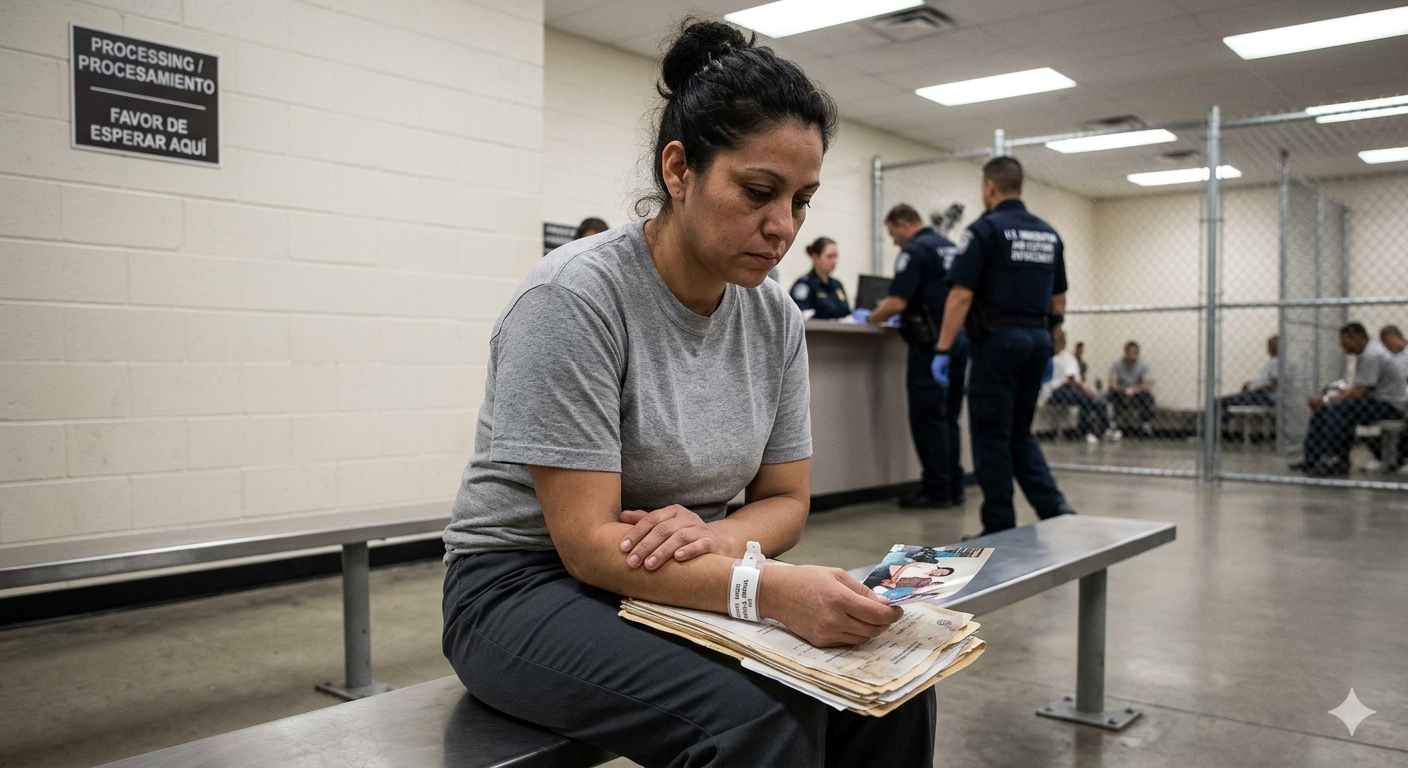
The Maria Bonilla ICE detention case has gained significant attention across the United States due to its emotional impact on immigrant families and the ongoing debate surrounding immigration enforcement. Maria Bonilla, a Salvadoran mother who reportedly lived in the U.S. for more than two decades, was detained by Immigration and Customs Enforcement (ICE) during a routine immigration-related appointment in Atlanta. Her case quickly sparked concern among immigrant rights advocates, legal experts, and community members who viewed the detention as another example of aggressive immigration enforcement policies.
The story resonated with many people because Maria Bonilla was described as a hardworking mother with strong community ties and no serious criminal history. Her detention also highlighted broader concerns regarding how ICE handles long-term undocumented residents, especially individuals who have established families and livelihoods in the United States.
This article explores the background of the Maria Bonilla ICE detention case, the legal and social implications involved, public reaction, and what the situation reveals about current immigration practices in America.
Who Is Maria Bonilla?
Maria Bonilla is a woman originally from El Salvador who reportedly entered the United States in 2001 at the age of 17. According to reports, she spent more than 20 years living in Georgia, where she worked in the poultry industry and raised four children.
Her family described her as a hardworking and dedicated mother who regularly complied with immigration check-ins and legal requirements. Despite lacking permanent legal status, Maria had reportedly received work authorization and had been attending scheduled appointments with immigration authorities for years.
Her situation became nationally recognized after federal immigration agents detained her during an immigration court-related process in Atlanta in May 2025.
The Maria Bonilla ICE Detention Incident
How the Detention Happened
The Maria Bonilla ICE detention occurred during what was expected to be a routine immigration appointment. Reports indicate that Maria attended the meeting with her daughters, who often accompanied her because she had limited literacy skills and needed assistance understanding legal paperwork.
According to family members, confusion over required immigration documents may have contributed to the situation. Her daughters claimed there was conflicting legal advice regarding whether a physical passport was necessary during the appointment process.
Shortly after fingerprinting and document review, ICE officers reportedly detained Maria and transferred her to the Stewart Detention Center in Georgia, one of the country’s largest immigration detention facilities.
Why the Case Drew Public Attention
Several factors made the Maria Bonilla case particularly emotional and widely discussed:
- She had lived in the United States for more than two decades.
- She was the mother of four children.
- She reportedly held a work permit.
- Family members stated she had consistently complied with immigration reporting requirements.
- Her detention happened during a routine appointment rather than a criminal investigation.
For many immigrant advocates, the case symbolized growing fears among undocumented residents who attempt to follow legal processes but still face detention.
Immigration Enforcement and ICE Policies
The Role of ICE in Immigration Enforcement
U.S. Immigration and Customs Enforcement (ICE) is responsible for enforcing immigration laws, including identifying, detaining, and deporting individuals who violate immigration regulations.
ICE argues that it operates under federal law and has the authority to detain individuals who lack lawful immigration status. Critics, however, often claim that the agency’s tactics create fear in immigrant communities, especially when arrests occur during routine check-ins or court appearances.
The Maria Bonilla ICE detention reignited this national debate.
Increased Immigration Crackdowns
In recent years, immigration enforcement has become stricter in many parts of the country. Advocacy groups have noted an increase in detentions involving individuals who previously were not considered high-priority targets.
Some immigration attorneys argue that ICE has increasingly detained individuals during scheduled appointments because those individuals are easier to locate and already cooperating with the legal system.
Reports connected to Maria Bonilla’s detention suggested similar concerns.
Impact on Families and Communities
Emotional Effects on Children
One of the most heartbreaking aspects of the Maria Bonilla ICE detention case was the emotional toll on her children.
Her daughter reportedly explained that the family experienced severe emotional distress after the detention. One child’s graduation reportedly felt incomplete because their mother could not attend. Another family member reportedly paused educational plans to support younger siblings financially.
Family separation remains one of the most controversial consequences of immigration detention. Mental health professionals frequently warn that prolonged separations can lead to anxiety, depression, trauma, and financial hardship for children.
Economic Consequences
Immigrant detentions can also create serious financial instability. Maria Bonilla reportedly worked in Georgia’s poultry industry, helping support her family financially.
When a parent or primary earner is detained, families often struggle with:
- Rent and housing payments
- Legal expenses
- Food and daily necessities
- Transportation costs
- Childcare responsibilities
Community fundraising efforts are common in such situations, and supporters reportedly organized assistance for the Bonilla family after the detention became public.
Legal Questions Surrounding the Maria Bonilla ICE Detention
Paperwork and Legal Representation
A major issue in the case involved immigration paperwork and legal guidance.
According to reports, Maria’s daughters believed that conflicting legal instructions contributed to the detention. Immigration law is highly complex, and even small filing mistakes or missing documentation can significantly affect a case.
Immigration attorneys often stress the importance of:
- Accurate documentation
- Updated records
- Reliable legal counsel
- Attendance at all hearings
- Compliance with ICE requirements
The Maria Bonilla case demonstrates how vulnerablimmigrants may become when facing legal confusion or language barriers.
Detention Despite Long-Term Residency
Many critics questioned why someone who reportedly lived in the U.S. for over 20 years and regularly checked in with immigration officials would suddenly face detention.
Supporters argued that Maria Bonilla had established deep community ties and was not a public safety threat. Others, however, maintained that immigration laws still apply regardless of how long an individual has remained in the country without permanent legal status.
This disagreement reflects the larger national divide over immigration reform and enforcement priorities.
Public Reaction to the Maria Bonilla ICE Detention
Community Support
The case quickly generated support from immigrant advocacy organizations, local community members, and social media users.
Many supporters described Maria Bonilla as:
- A hardworking mother
- A law-abiding community member
- An example of immigrant perseverance
- A victim of harsh immigration policies
Public campaigns called for her release and highlighted the emotional impact on her children.
Debate on Immigration Reform
The Maria Bonilla ICE detention also fueled broader political discussions about immigration reform in the United States.
Advocates for reform argue that current immigration systems often fail to provide realistic pathways for long-term undocumented residents who contribute to society and maintain stable family lives.
Opponents argue that immigration laws must be enforced consistently to maintain legal order and border security.
These competing viewpoints continue to shape political debates nationwide.
ICE Detention Centers and Human Rights Concerns
Conditions Inside Detention Facilities
ICE detention centers have faced criticism for years regarding living conditions, medical care, and detainee treatment.
The Stewart Detention Center, where Maria Bonilla was reportedly held, has previously been the subject of public scrutiny and criticism from human rights organizations.
Common concerns raised by advocacy groups include:
- Limited access to healthcare
- Mental health stress
- Poor communication with family members
- Long detention periods
- Language barriers
Although ICE maintains that detainees receive necessary care and services, advocacy groups continue calling for reforms and greater oversight.
Calls for Alternatives to Detention
Some immigration experts advocate for alternatives to detention, particularly for individuals with no violent criminal history.
Alternatives may include:
- Community supervision programs
- Electronic monitoring
- Regular check-ins
- Court-based release programs
Supporters argue these options are more humane and cost-effective while still ensuring compliance with immigration proceedings.
The Broader Meaning of the Maria Bonilla ICE Detention Case
The Maria Bonilla ICE detention case represents more than a single immigration arrest. It highlights the human impact of immigration enforcement policies and the difficult balance between national law enforcement and humanitarian concerns.
For immigrant families across the country, the case reinforced fears that even individuals attempting to follow legal procedures may still face detention and deportation.
For policymakers, it raised continued questions about whether immigration systems adequately address the realities of long-term undocumented residents who have built lives and families in the United States.
As immigration debates continue, stories like Maria Bonilla’s remain powerful reminders that immigration policy affects real people, families, and communities every day.
Conclusion
The Maria Bonilla ICE detention case became a major point of discussion because it combined legal complexity, emotional family separation, and broader immigration policy concerns into one deeply personal story. Maria Bonilla’s detention during a routine immigration process raised serious questions about enforcement priorities, fairness, and the treatment of long-term undocumented residents in the United States.
Supporters viewed her as a hardworking mother caught in an unforgiving immigration system, while others argued that immigration laws must still be enforced consistently. Regardless of political viewpoints, the case highlighted the emotional and financial hardships families often experience when a loved one is detained.
As immigration reform remains a divisive national issue, the Maria Bonilla story continues to symbolize the human side of immigration enforcement and the ongoing debate surrounding ICE detention practices in America.
FAQs
1. Who is Maria Bonilla?
Maria Bonilla is a Salvadoran immigrant who reportedly lived in the United States for more than 20 years before being detained by ICE during an immigration-related appointment in Atlanta.
2. Why was Maria Bonilla detained by ICE?
Reports indicate that Maria Bonilla was detained because of immigration status issues and complications related to required legal paperwork during a scheduled immigration appointment.
3. Where was Maria Bonilla held after detention?
Maria Bonilla was reportedly transferred to the Stewart Detention Center in Georgia, one of the largest immigration detention facilities in the United States.
4. Why did the Maria Bonilla ICE detention case receive national attention?
The case gained attention because Maria Bonilla was described as a longtime resident, mother of four, and work permit holder who was detained during a routine immigration process rather than a criminal investigation.
5. What does the Maria Bonilla case reveal about U.S. immigration policy?
The case highlights ongoing debates about immigration enforcement, detention practices, legal complexity, family separation, and the treatment of undocumented immigrants who have lived in the United States for many years.